Family Readiness Starts Here
Family Emergency Preparedness Kits
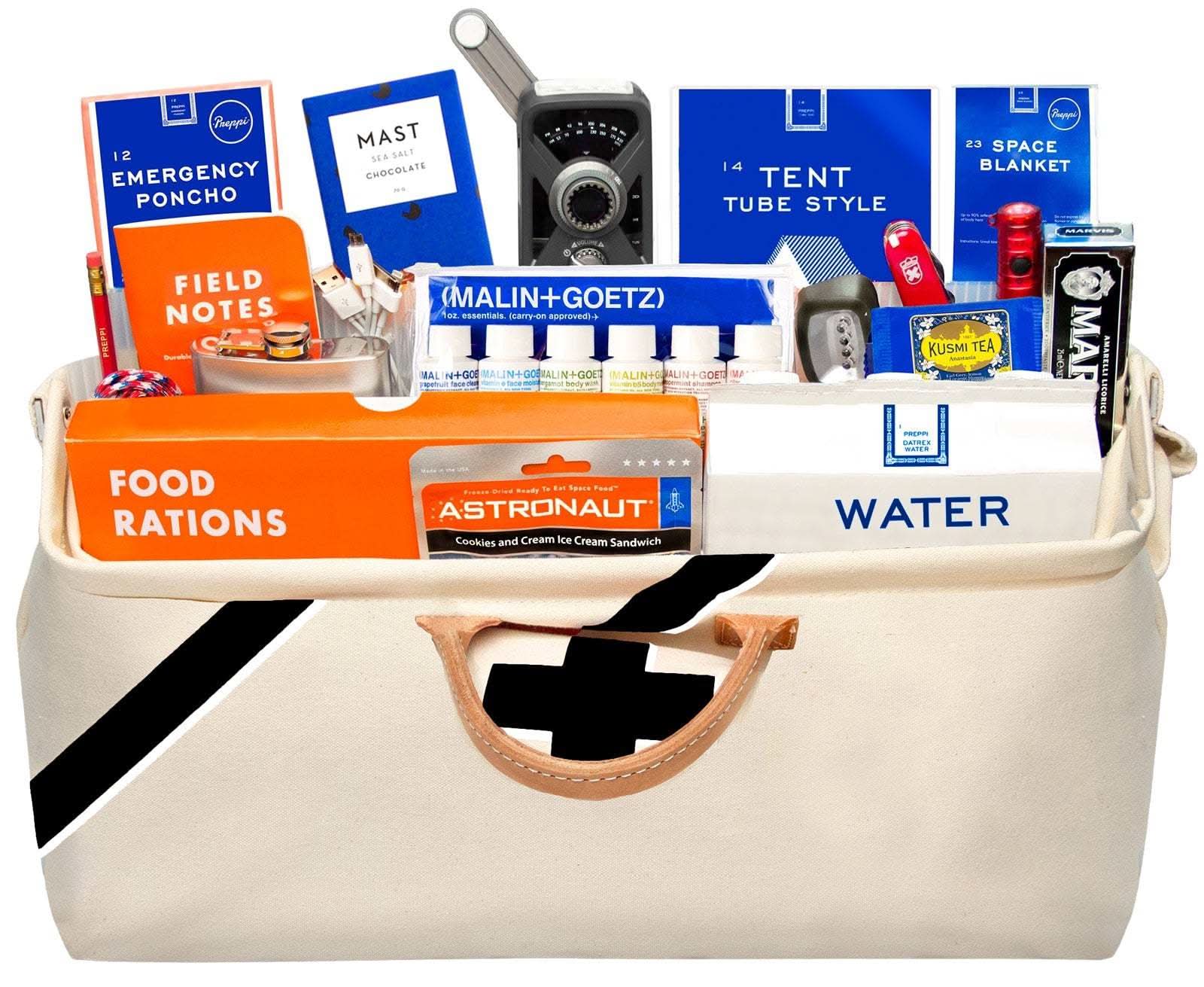
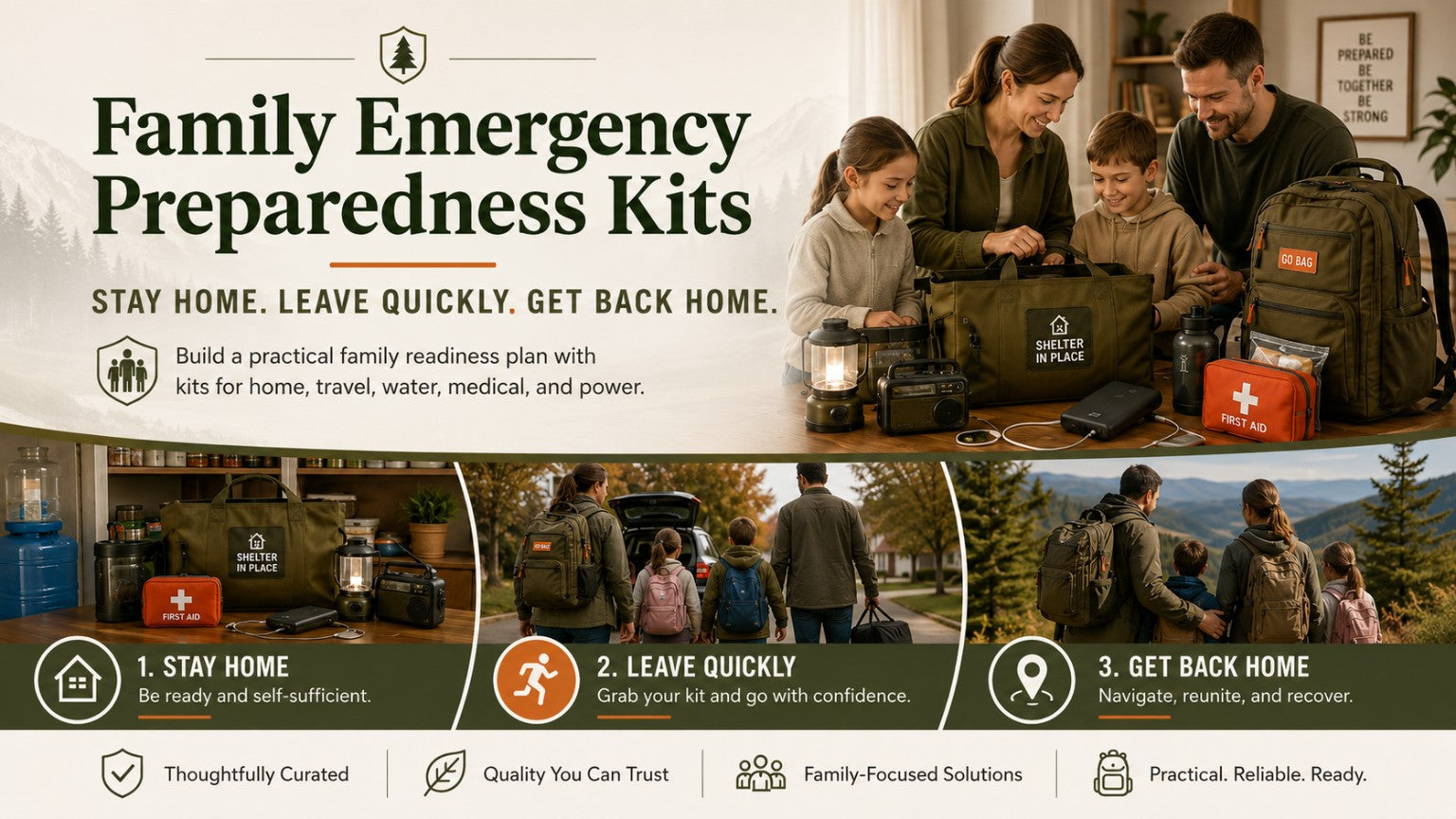
Build a practical family emergency preparedness plan around the moments that matter most: staying safely at home, leaving quickly, getting back home, treating injuries, storing water, and keeping phones and radios powered during an outage. This curated collection is designed for families who want a clear, organized path to readiness without fear-based buying or unnecessary clutter.
Start With the Scenario You Need to Solve
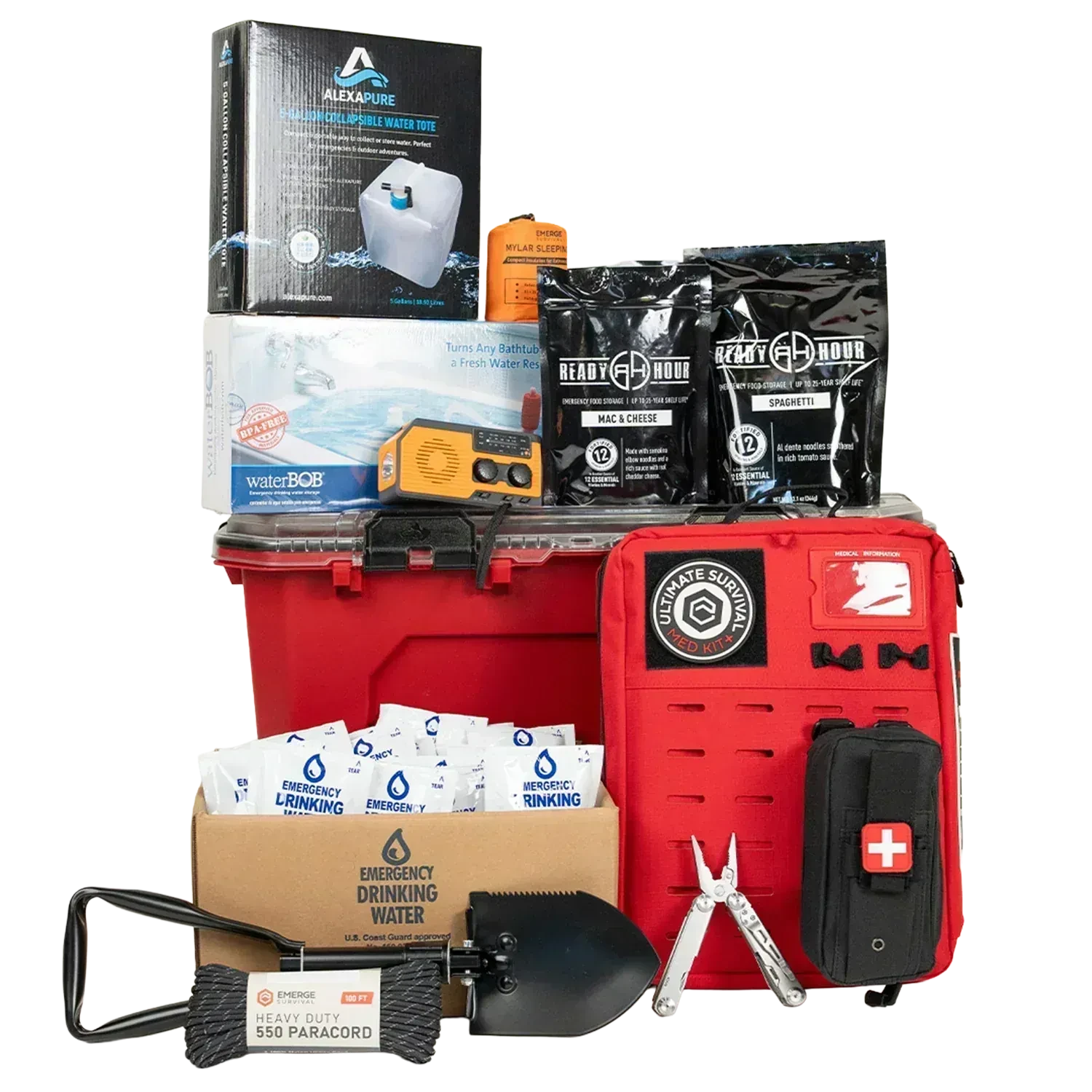
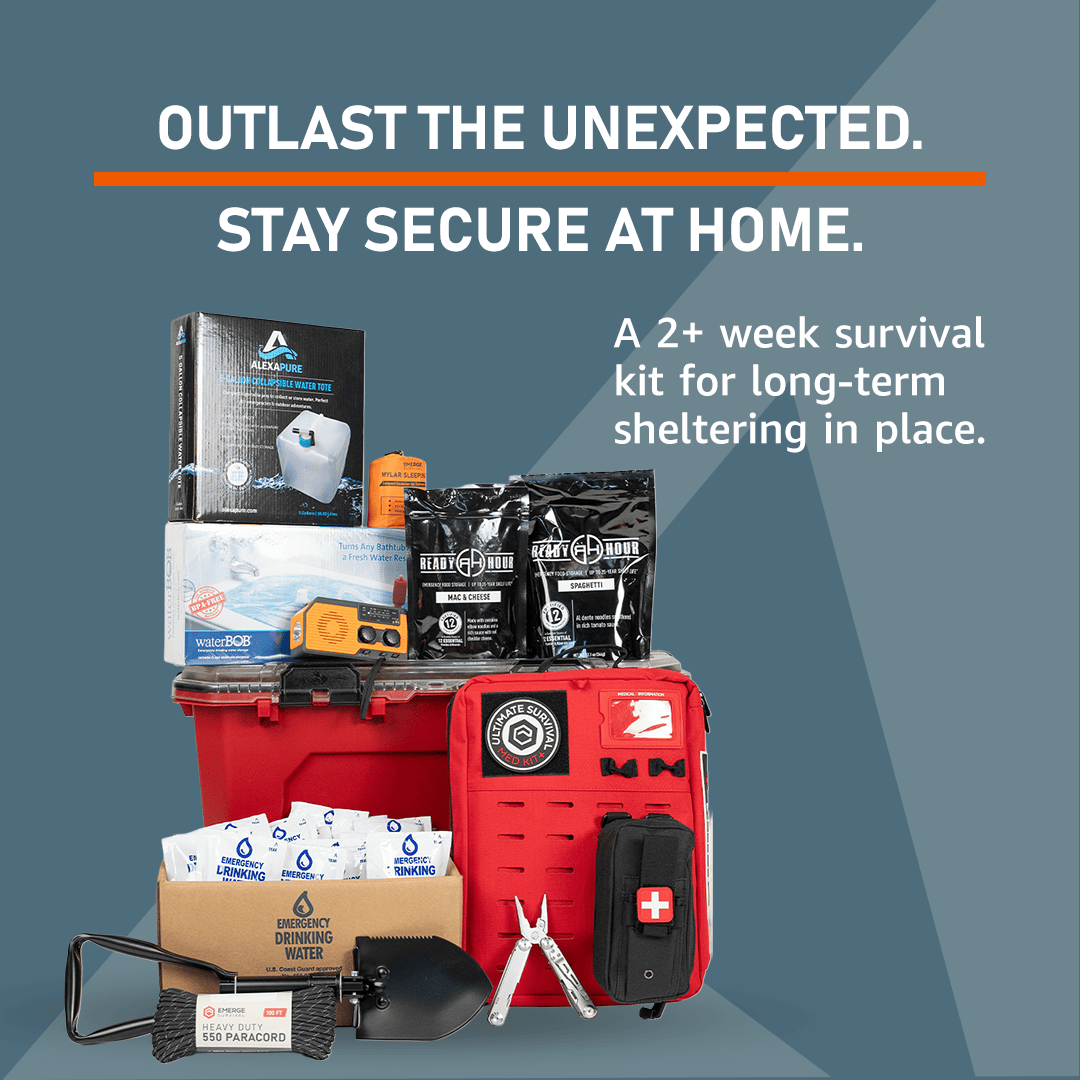
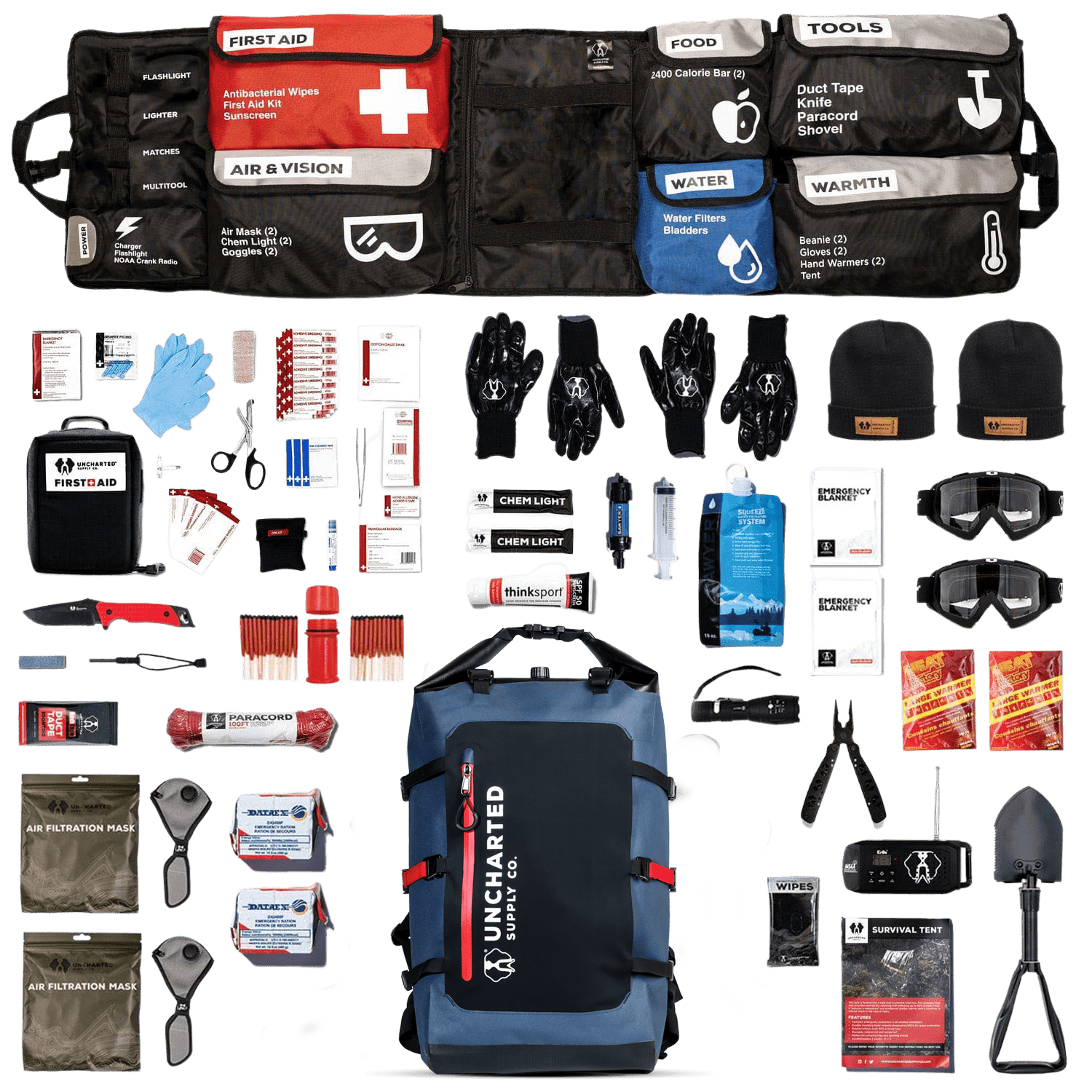
| Stay Home | Shelter In Place Kit for food, water, medical, lighting, communication, storage, and planning during longer home disruptions. |
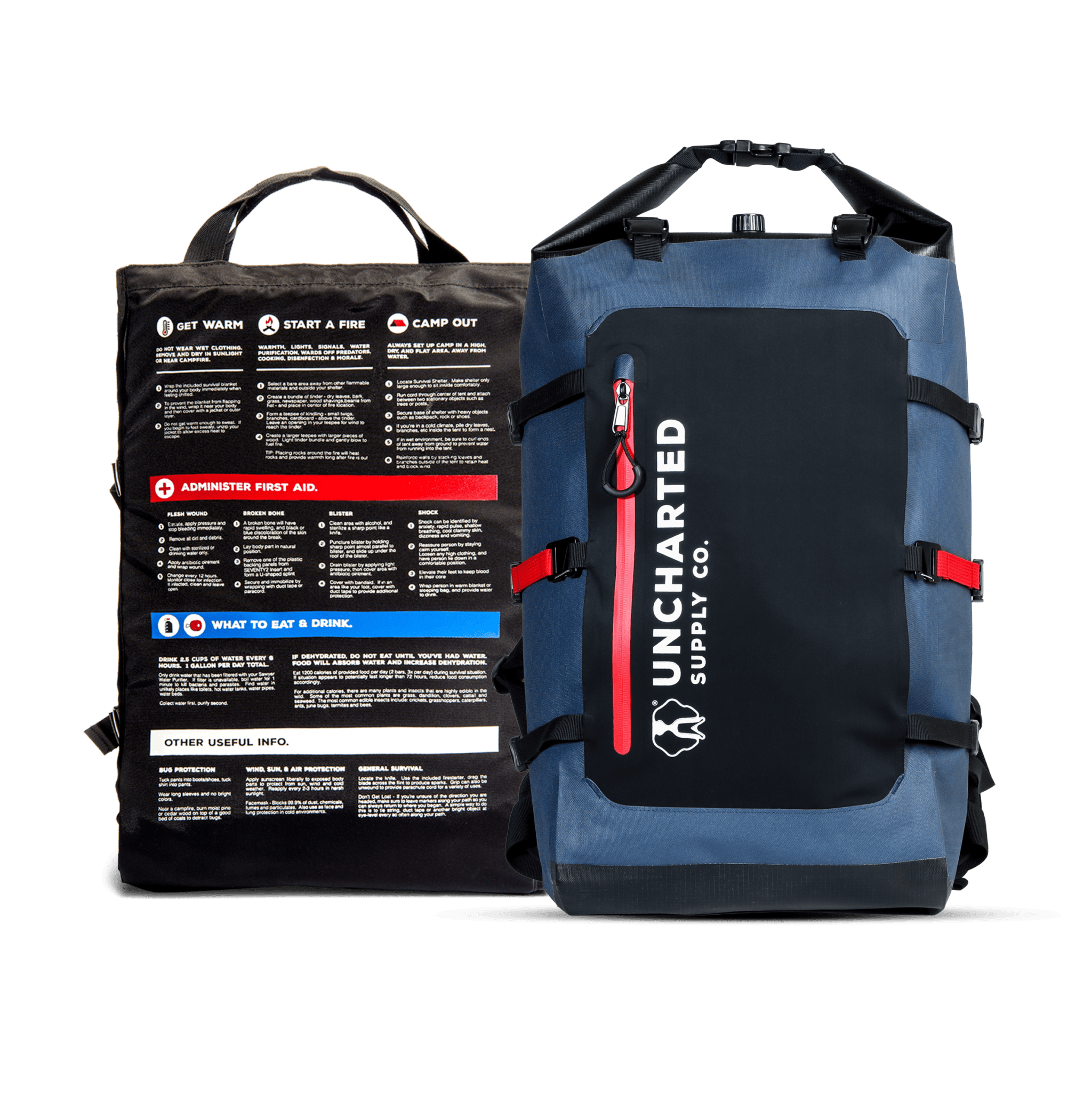
| Leave Quickly | 72-hour and evacuation kits for wildfires, flooding, evacuation orders, or situations where your family needs to move fast. |
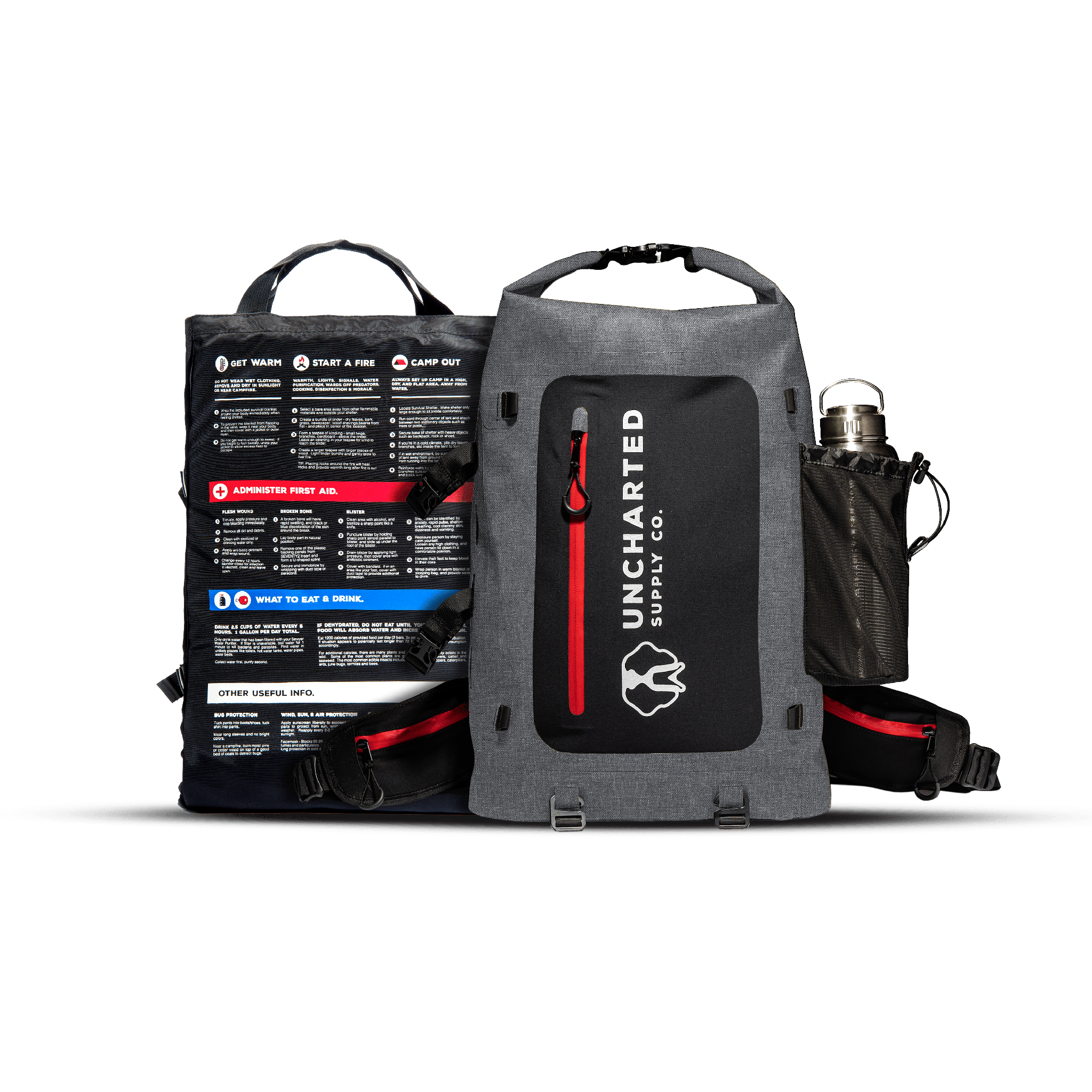
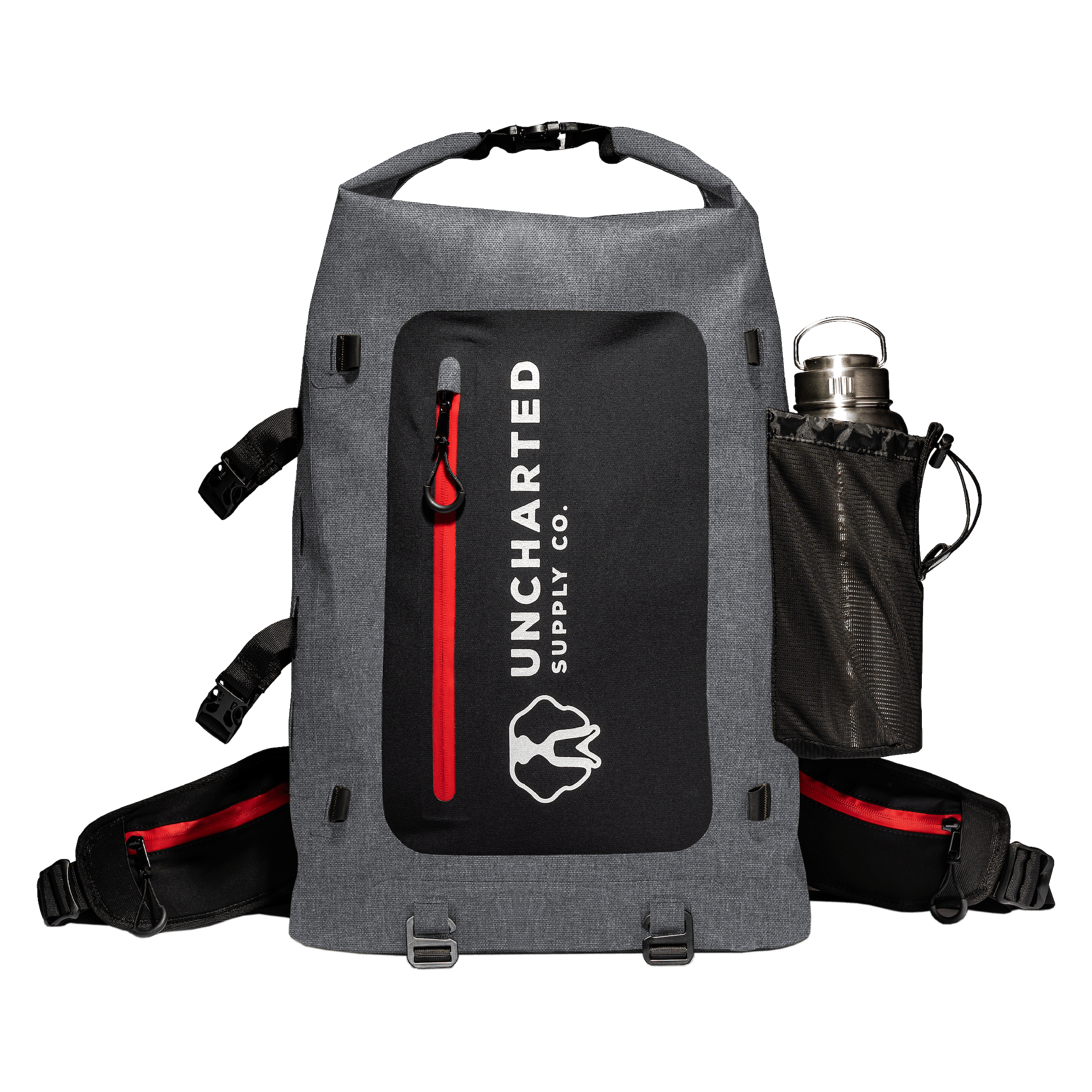
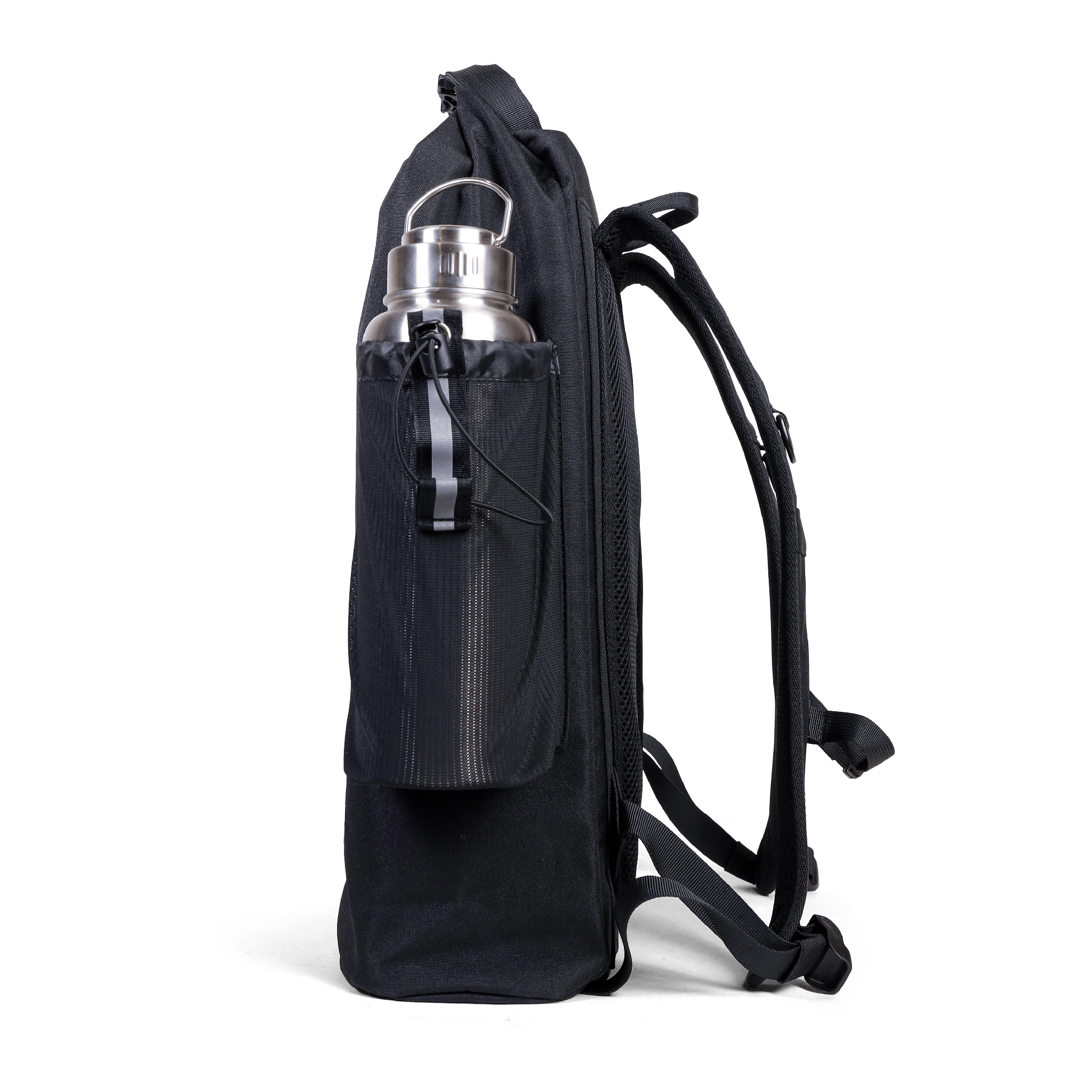
| Get Back Home | Get Home Bag for the car, workplace, or commute when an emergency happens while you are away from your family. |
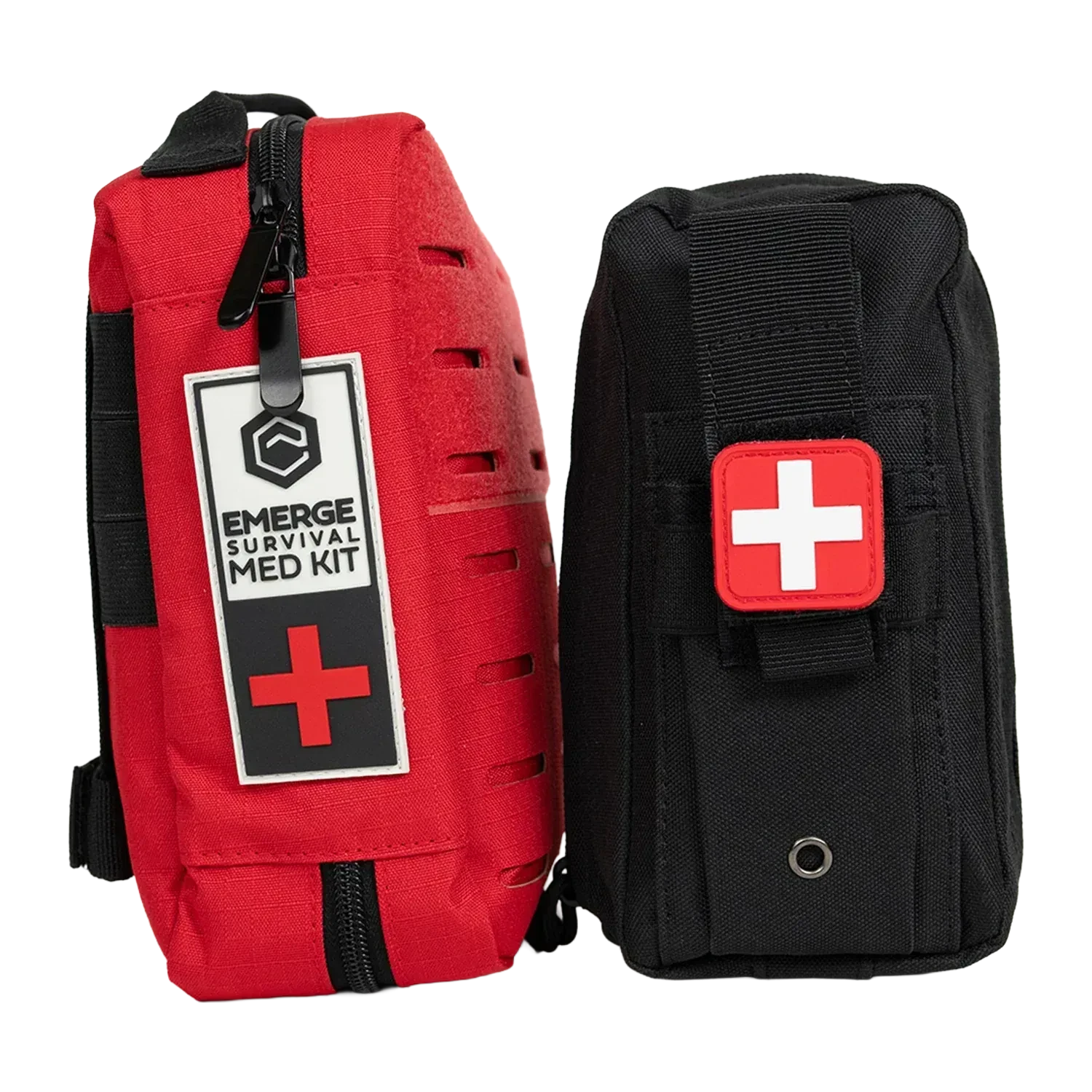
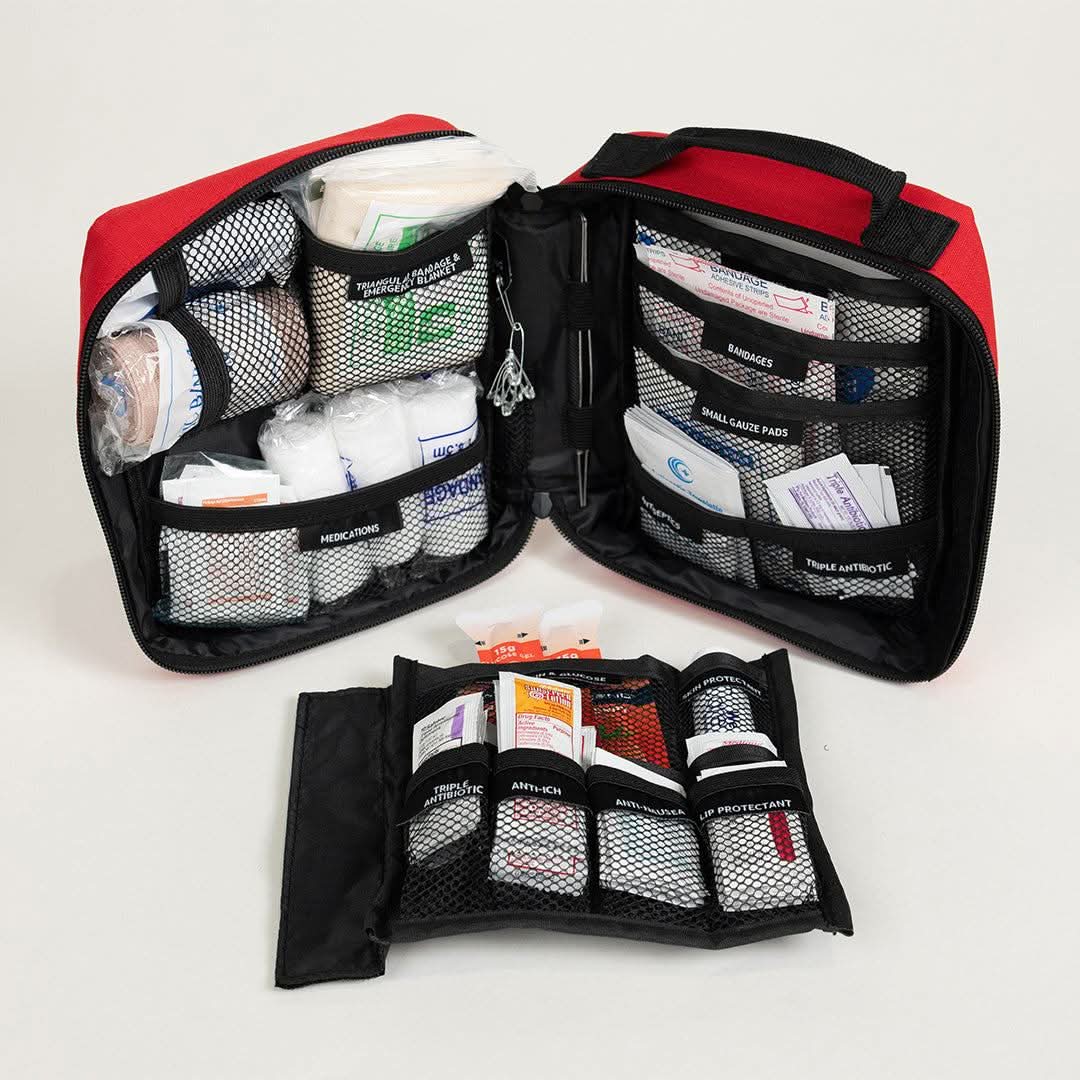
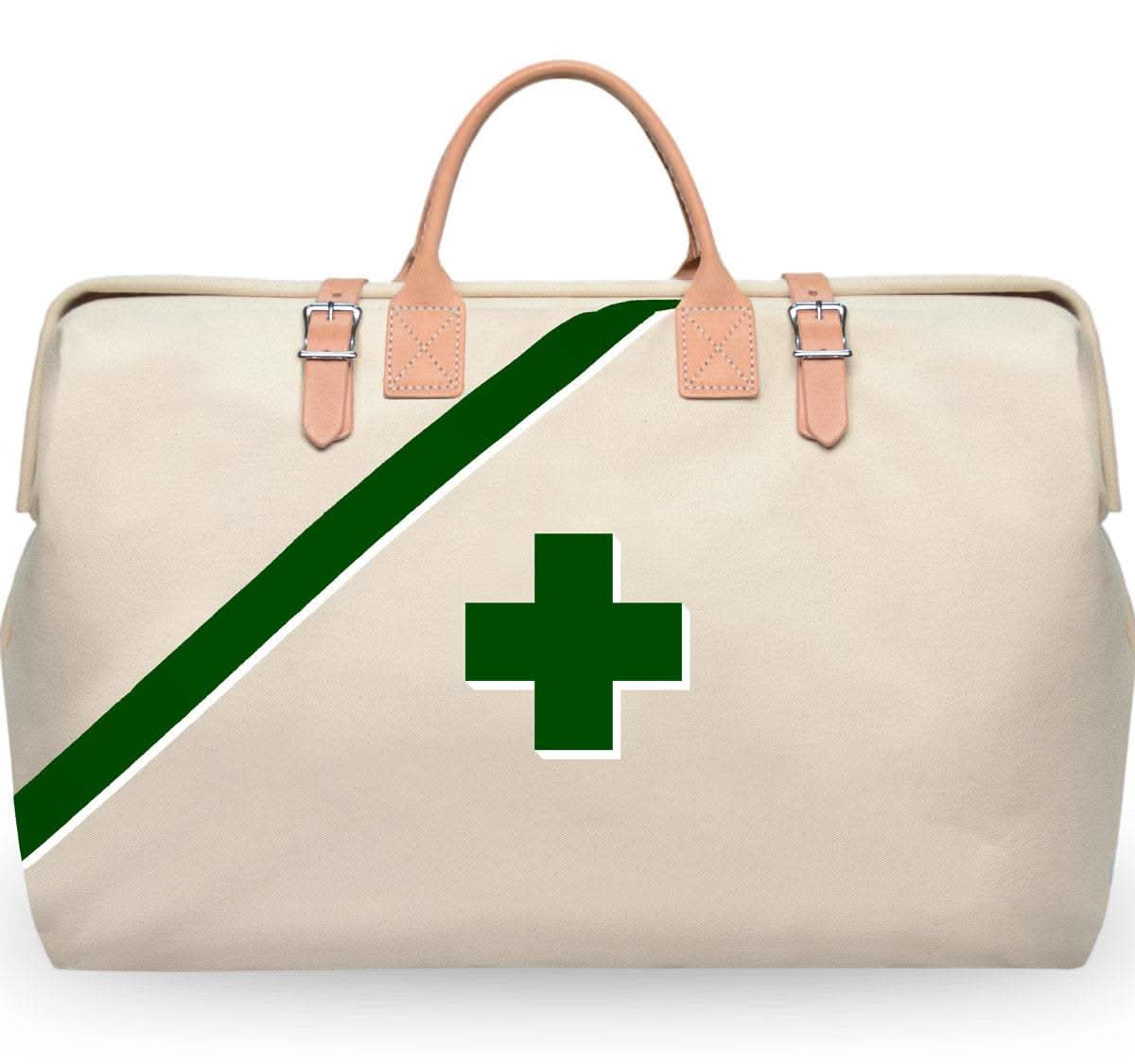
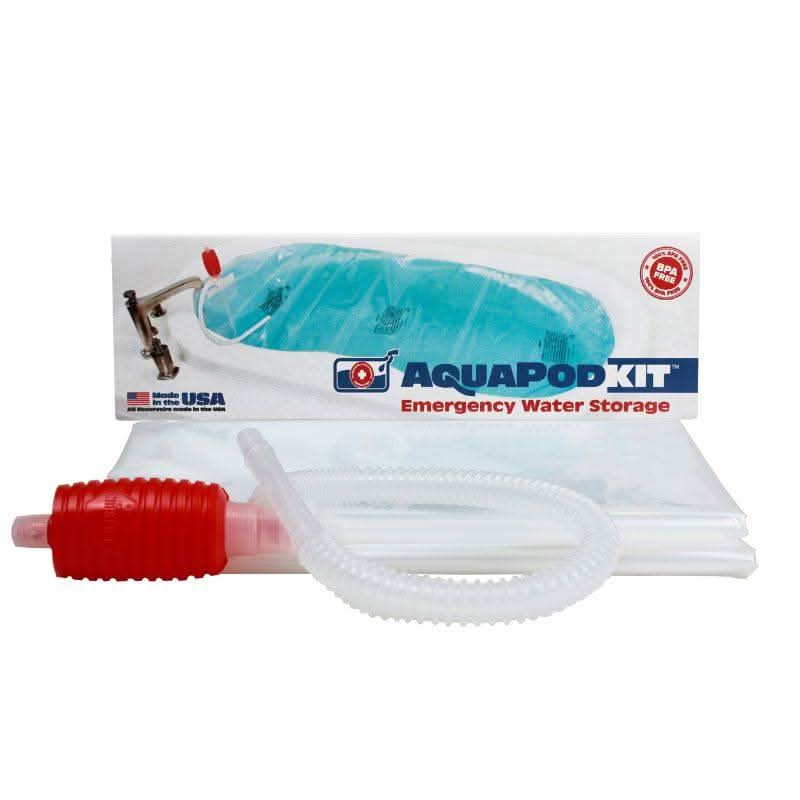
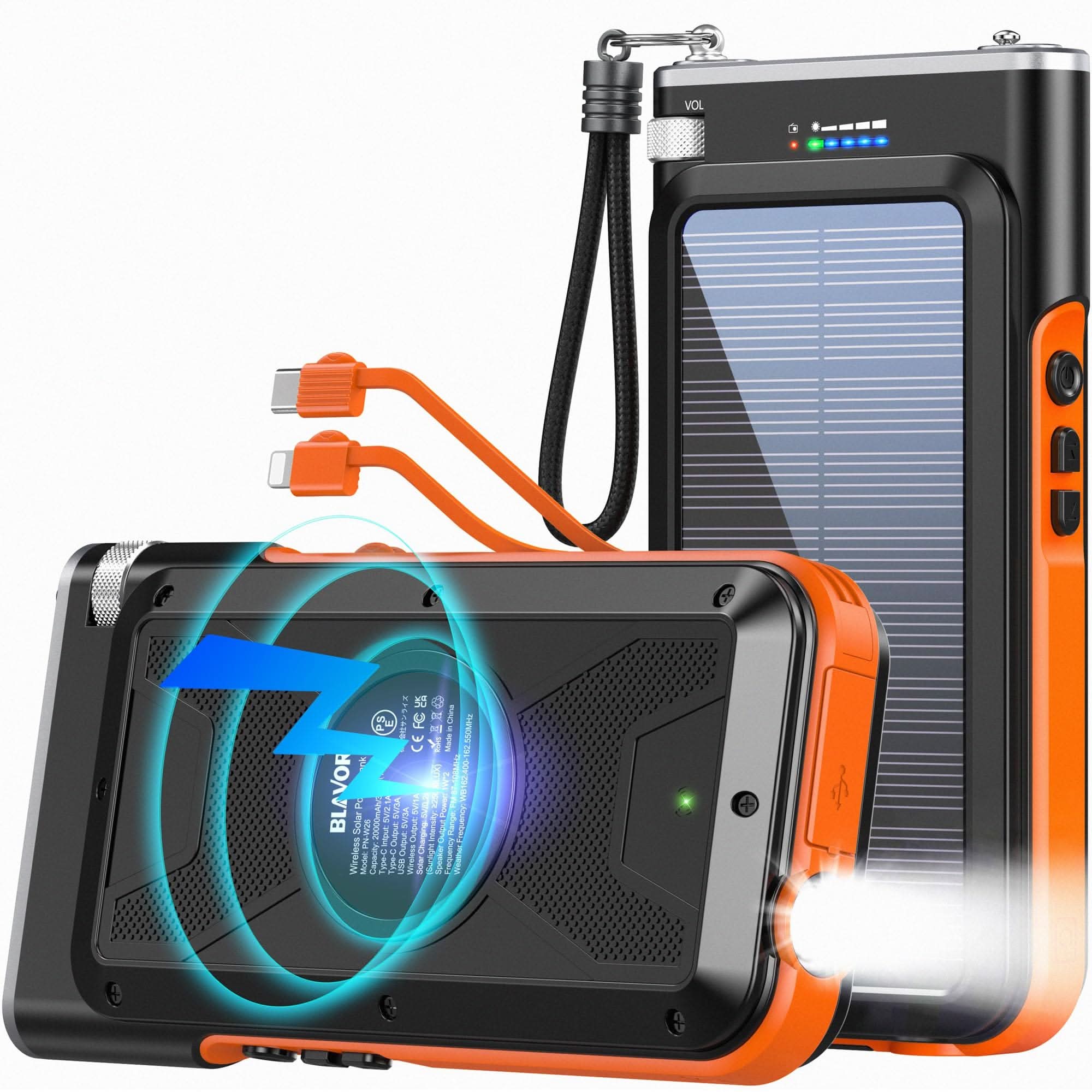
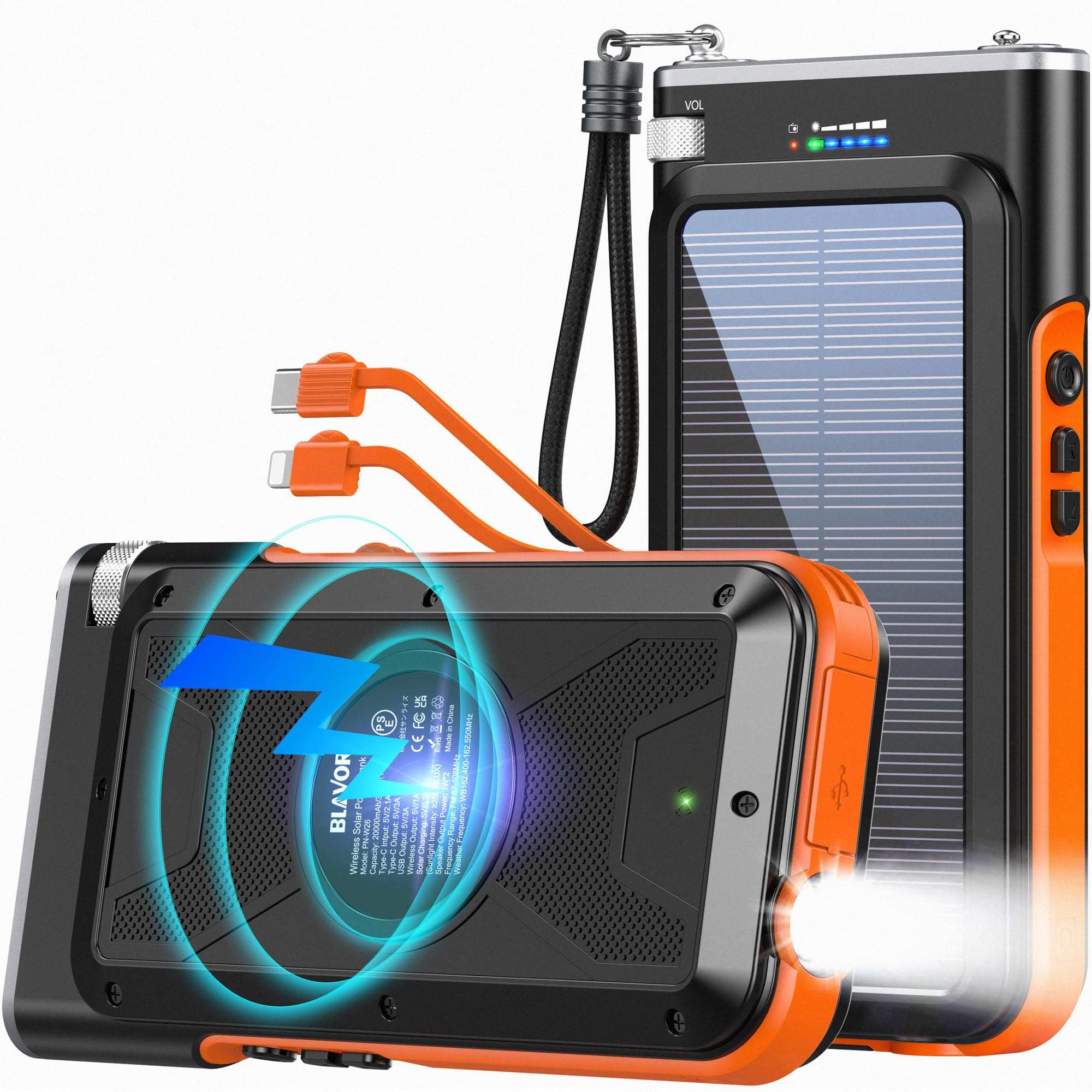
| Support the Plan | Medical, water, and power essentials to close the common gaps that cause stress during storms, outages, and supply interruptions. |
Best Starting Points
- New to preparedness: Start with an EDC Kit, a Get Home Bag, and a basic 72-hour kit.
- Family with children: Prioritize a Shelter In Place Kit, family emergency bag, water storage, and medical supplies.
- Commuting household: Put a Get Home Bag in each primary vehicle and stage the Shelter In Place Kit at home.
- Storm or outage-prone region: Add water storage, backup power, light, radio, and medical supplies first.
- Already have go-bags: Move next into home readiness: food, water, power, first aid, and planning.
Regional Emergency Readiness
Prepared for the Emergencies Families Actually Face
Every region has different risks, but the family readiness basics stay the same: water, food, first aid, lighting, communication, mobility, warmth, sanitation, documents, and a plan. This collection supports preparedness for hurricanes, winter storms, tornadoes, wildfire smoke, power outages, boil-water advisories, supply disruptions, and unsafe travel conditions.
- Hurricane readiness: water, food, light, communication, and shelter-at-home supplies
- Winter storm readiness: power outage essentials, warmth, food, and safe home staging
- Wildfire and evacuation readiness: grab-and-go kits, vehicle bags, documents, and first aid
- Urban and suburban readiness: compact kits, water storage, emergency light, and family communication
How to Build a Layered Family Emergency Plan
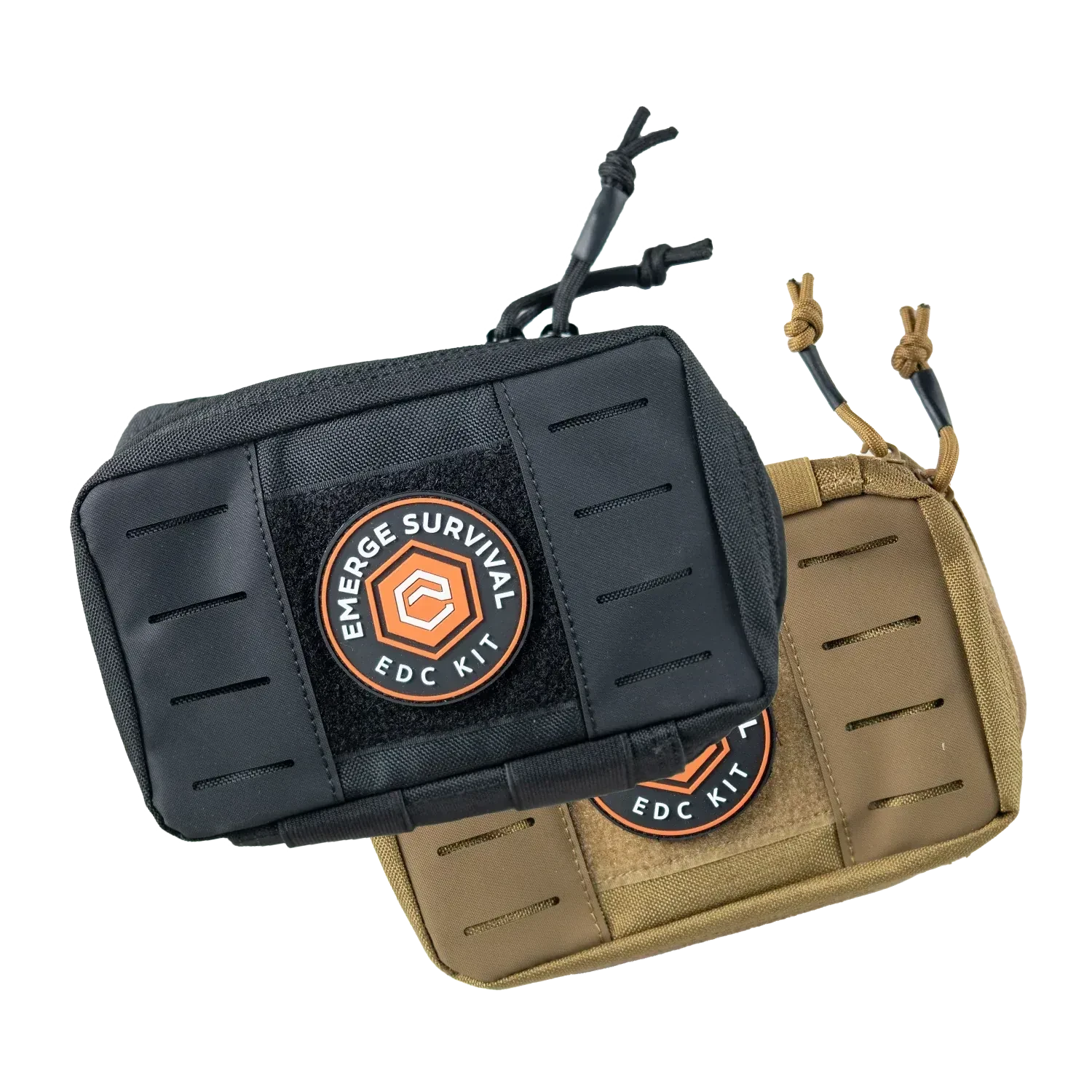
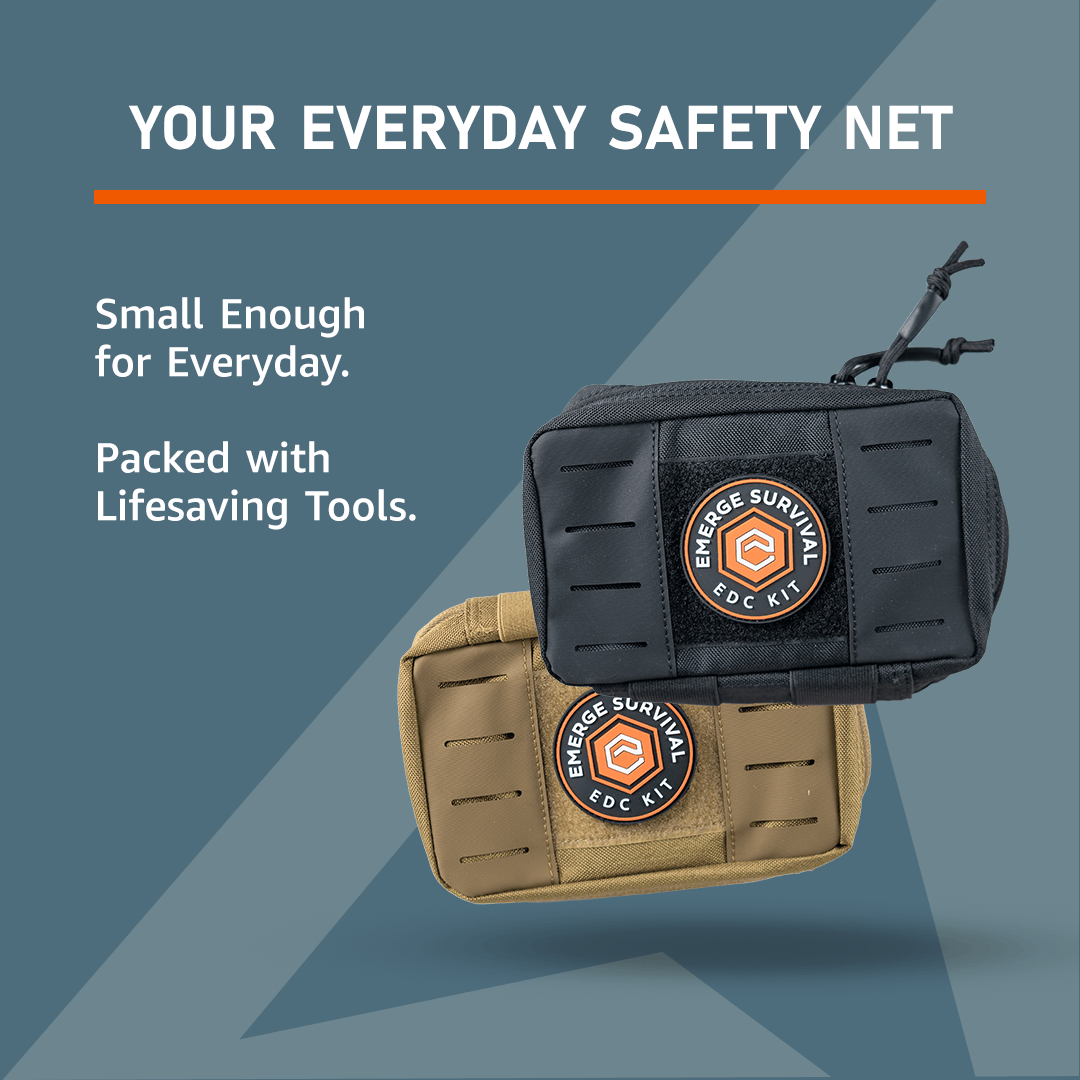
| 1. On you | Everyday carry essentials for small disruptions and daily readiness. |
| 2. In the car | A Get Home Bag or vehicle-ready kit for each driver or commuter. |
| 3. By the door | A 72-hour or evacuation kit for leaving quickly. |
| 4. At home | Shelter in place supplies, water storage, food, first aid, light, radio, and backup power. |
Common Questions
What should a family emergency kit include?
A family emergency kit should include water, food, first aid, lighting, communication, warmth, sanitation, copies of key documents, and supplies for staying home, leaving quickly, and reconnecting if separated.
Should I buy a 72-hour kit or a shelter-in-place kit first?
If your main concern is evacuation, start with a 72-hour or go-bag. If your main concern is power outages, storms, water advisories, or supply interruptions, start with a Shelter In Place Kit.
How many kits does my family need?
Many families benefit from one home kit, one get-home bag per driver, and grab-and-go supplies for each family member. Start with the most likely scenario and build from there.
What is the easiest way to start?
Begin with the scenario that worries you most: staying home, leaving quickly, or getting back home. Then add water, medical, power, and communication support around that core plan.
Prepare Calmly. Protect the People You Love.
Choose the products below to build a family emergency plan that fits your home, your commute, your region, and your household size.