
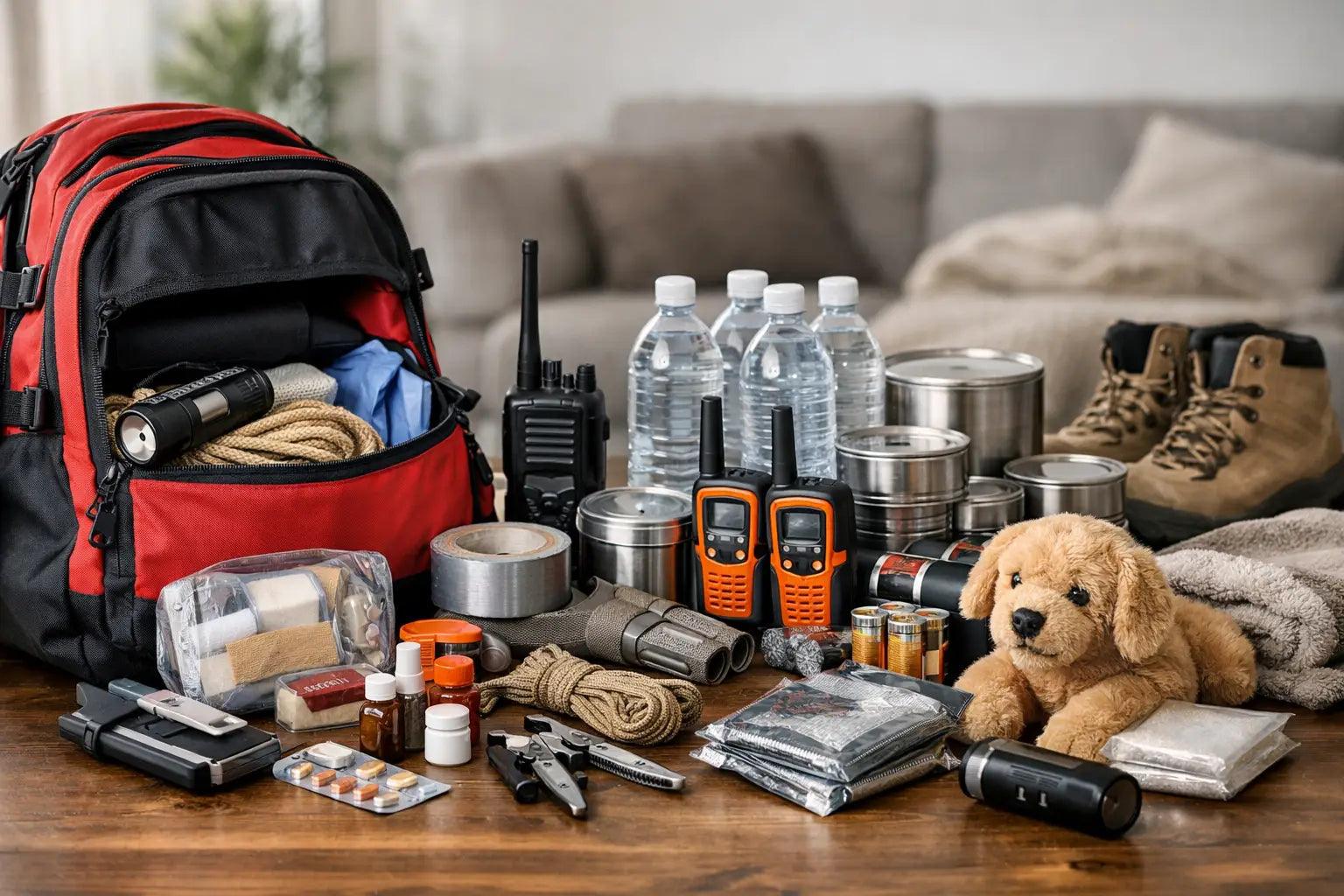
The moment the power goes out for more than a few hours, most families realize the same thing at once - a flashlight and a few snack bars are not a plan. If you are asking what should be in a family emergency kit, you are already doing the right kind of thinking. The goal is not to prepare for every possible disaster in one weekend. It is to build a kit that keeps your household safe, fed, informed, and functional through the disruptions families actually face.
A good family emergency kit is less about buying random gear and more about covering the basics in the right order. Water comes first. Then food, medical needs, light, communication, sanitation, warmth, and the documents and supplies that keep daily life moving. Once those are handled, you can add region-specific items for hurricanes, wildfire smoke, winter storms, earthquakes, or evacuation.
What should be in a family emergency kit first?
Start with the supplies that become urgent within the first 24 to 72 hours. Water is the priority. A practical baseline is one gallon per person per day for at least three days, though many families are better served by planning for a full week. That covers drinking and a small amount of hygiene. If you have pets, formula-fed infants, or anyone with medical needs, your water needs go up fast.
Food is next, but not just any shelf-stable food. Choose items your family will actually eat under stress and that require little or no cooking. Ready-to-eat meals, canned proteins, nut butters, crackers, oatmeal, fruit cups, and simple comfort foods all work well. If your outage risk is high, keep some no-cook options on hand even if you also store dry goods. During a real emergency, convenience matters.
Lighting and backup power belong in the core kit, not the extras section. Every family emergency kit should include flashlights or lanterns, extra batteries, and at least one way to recharge phones. A charged power station can make a long outage far more manageable, especially if you need to power medical devices, a router, or basic communication. Candles may feel traditional, but in homes with children, pets, or storm damage, battery-powered light is usually the safer choice.
The supplies families forget until they need them
Most people remember water and batteries. Fewer remember prescription medications, spare eyeglasses, hygiene items, and copies of important documents. These are often the supplies that create the most stress when stores are closed or roads are blocked.
A well-built kit should include a basic first aid setup with bandages, gauze, antiseptic, pain relievers, thermometer, gloves, and any condition-specific supplies your household uses regularly. If someone in your home uses inhalers, insulin, heart medications, or mobility aids, emergency planning needs to account for that first. A generic kit is not enough if your family has real medical routines.
Personal hygiene matters more than people expect. Include toilet paper, moist wipes, hand sanitizer, soap, trash bags, and menstrual supplies. If water service is interrupted, sanitation becomes a daily problem very quickly. A few practical supplies can make a stressful situation far more manageable and reduce the chance of illness.
Important paperwork should be protected and easy to grab. Think copies of identification, insurance information, medication lists, emergency contacts, medical details, and a small amount of cash in smaller bills. Digital backups are helpful, but they should not be your only plan if your phone battery dies or cell service is down.
Build your kit around your actual household
The best answer to what should be in a family emergency kit depends on who lives in your home. A retired couple, a family with three young kids, and grandparents who host grandchildren on weekends do not need identical kits.
If you have young children, add diapers, wipes, formula, bottles, comfort items, and age-appropriate snacks. A small toy, coloring book, or familiar blanket can matter more than many parents realize during an evacuation or long outage. If you have teens, think chargers, extra clothing, hygiene items, and enough food that they are not raiding the pantry on day one.
Pets count too. Store pet food, water, medications, waste bags, leash or carrier supplies, and vaccination records. In many emergencies, families delay evacuation because they are scrambling to figure out what to do with the dog or cat. Planning ahead removes one more hard decision.
Older adults may need hearing aid batteries, backup mobility supplies, extra prescription support, and a little more attention to warmth and comfort. If a family member has dietary restrictions, build your food storage around that now rather than assuming you will figure it out later.
The right categories for a complete family kit
It helps to think in categories instead of one giant shopping list. That keeps your kit balanced.
Water should include stored water plus a way to purify more if needed. Stored water gets you through the first stretch. Filtration or purification gives you options if the outage lasts longer.
Food should include immediate no-cook meals and longer-lasting staples. If you rely only on freeze-dried food, you may run into trouble during a water shortage. If you rely only on pantry food, you may not have enough depth for a longer disruption. A mix is smarter.
Medical should cover both first aid and everyday health. That means trauma basics, common over-the-counter medications, and the routine prescriptions your family cannot go without.
Power and lighting should include flashlights, lanterns, batteries, chargers, and, if your budget allows, a backup power source. This is one area where quality pays off. Cheap lights fail when you need them most.
Shelter and warmth can be as simple as blankets, sleeping bags, rain gear, work gloves, and extra layers. In winter storms or prolonged outages, staying warm is not a comfort issue. It is a safety issue.
Communication should include a battery-powered or hand-crank weather radio and a written contact plan. Families often assume everyone will be able to text. That is not always true.
Sanitation should include toilet backup options, trash bags, hygiene products, and cleaning supplies. Not glamorous, but absolutely necessary.
Tools should be practical. Think manual can opener, multipurpose tool, duct tape, matches or lighter in a waterproof bag, and basic home shutoff knowledge if relevant in your area.
Home kit, car kit, and evacuation bag are not the same thing
One common mistake is trying to make one kit do everything. A family emergency kit for the house should support sheltering in place. A car kit should help you if you are stranded during a storm, wildfire closure, or winter traffic emergency. An evacuation bag should be portable enough to leave with quickly.
Your home kit can be larger and more complete. Your car kit should focus on water, snacks, light, warmth, phone charging, first aid, and seasonal needs like ice scrapers or cooling towels. Your evacuation bag should cover 72 hours of essentials without becoming too heavy to carry.
If your area faces hurricanes, plan for sheltering first and evacuation second. If you live in wildfire country, the balance may flip. This is where preparedness gets personal. Geography matters.
Avoid the two big mistakes
The first mistake is overbuying gear before covering basics. A family does not need expensive gadgets before it has enough water, food, medications, and lighting for a week. Start small, but start in the right order.
The second mistake is building a kit you never maintain. Batteries expire. Kids outgrow supplies. Medications change. Food gets eaten. A family emergency kit should be checked at least twice a year. Tie it to daylight saving time, hurricane season, or back-to-school season so it actually gets done.
This is also where organized storage helps. Clear bins, labeled pouches, and simple category grouping save time when the lights are out and stress is high. In our experience at SHTF Prepper Club, families stick with preparedness longer when their supplies are visible, accessible, and easy to update.
A realistic way to get started this week
If the whole project feels big, reduce it to one weekend and one goal: prepare your family for 72 hours without outside help. Get the water. Add easy food. Gather medications, first aid, lights, hygiene supplies, cash, and documents. Then build from there.
Preparedness does not need to look dramatic to be effective. It often looks like a shelf in the hall closet, a labeled tote in the garage, and the quiet relief of knowing your family can handle a hard week better than last time. That is a solid place to start, and for most households, it is exactly enough momentum to keep going.