The power goes out at 6:40 p.m. Dinner is half-cooked, one kid needs a prescription by morning, and your phone says the roads are icing over. That is when a shelter-in-place kit for families stops being a nice idea and starts being a real household system.
Most families do not need a bunker. They need a plan to stay safe, fed, warm, informed, and reasonably comfortable at home for a few days to a few weeks. That means building around the disruptions people actually face - hurricanes, winter storms, wildfire smoke, water outages, supply shortages, and extended blackouts. The goal is not perfection. The goal is to avoid the late-night scramble for batteries, bottled water, and cold medicine when everyone else is doing the same thing.
What a shelter-in-place kit for families should actually do
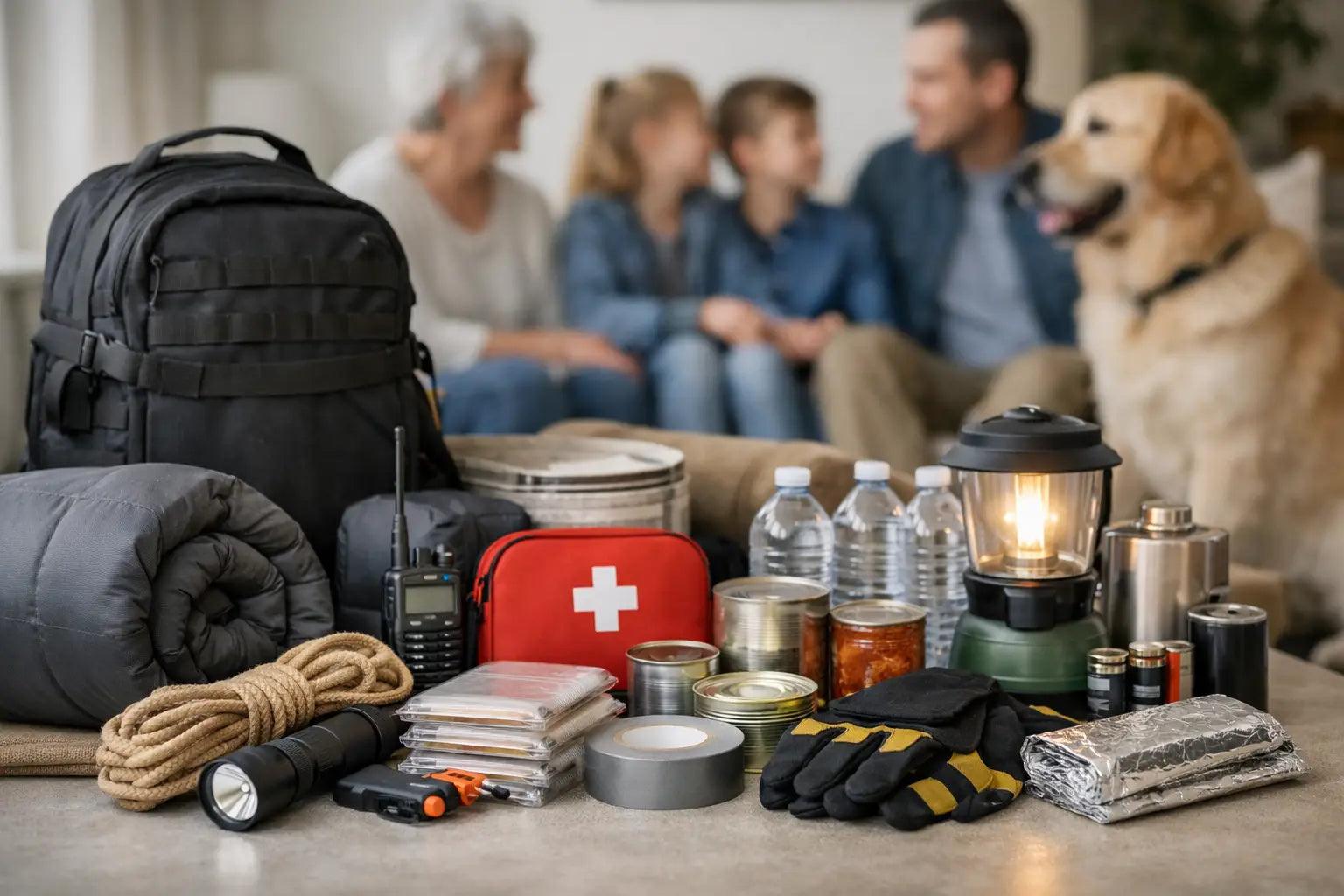
A good kit supports normal life under abnormal conditions. It helps your household keep up with the basics: safe drinking water, enough calories, light, backup power, first aid, sanitation, and a way to stay warm or cool depending on your climate. It also covers the less obvious problems that cause stress fast, like dead phones, pet food running low, no way to flush toilets, and kids getting restless on day two.
This is where many families overbuy in one area and miss another. A garage full of canned food does not solve a medication gap. A powerful generator is helpful, but not if you have no stored water and no safe indoor cooking option. The strongest setup is balanced.
Start with time, not gear
Before you buy anything, decide how long your home kit needs to carry your family. For many households, 72 hours is the first milestone. Seven days is more useful. Fourteen days gives you breathing room during regional disasters and messy recovery periods.
That timeline shapes every choice after it. A family of five preparing for three days can keep things compact. The same family planning for two weeks needs serious attention on water storage, food variety, medications, waste handling, and charging options. If your area deals with hurricanes, ice storms, or wildfire shutoffs, a longer window usually makes sense.
Water is the first job
If you only improve one part of your preparedness this month, make it water. People tend to think about food first because it feels familiar. Water becomes the bigger problem sooner.
A practical baseline is one gallon per person per day for drinking and basic sanitation, but many families find that amount tight, especially with children, pets, hot weather, or limited hygiene options. For a week at home, even a small household needs more water than most people expect. That is why a mix works best: stored water for immediate use, plus filtration or purification as a backup if the outage stretches on.
Keep daily-use water easy to access. Larger containers are efficient for storage, but they can be awkward for older adults or anyone managing stairs. Smaller containers are easier to rotate and carry. If your home depends on well water, remember that a power outage can also mean no running water.
Food should be simple, familiar, and low-effort
The best emergency food is food your family will actually eat. In a shelter-in-place setup, convenience matters. You may be tired, stressed, or working with limited fuel and no refrigeration.
Start with easy meals that need little or no cooking. Think shelf-stable proteins, ready-to-eat grains, soups, nut butters, crackers, oatmeal, powdered milk, and comfort foods your kids recognize. If you use freeze-dried meals or bulk staples, that can work very well, but only if you also have the water and cooking method to support them.
This is one of those it-depends decisions. Long-term storage foods shine for extended disruptions and deep pantry planning. Ready-to-eat foods are easier during the first 72 hours. Most families need both. Build a shelf that covers fast access and longer staying power.
Power and light make everything easier
When the lights go out, small problems multiply. You lose communication, refrigerated food starts warming up, and the house feels harder to manage. A family shelter kit should restore the basics quickly.
Flashlights and headlamps are better than candles for most homes. They are safer around children and easier during nighttime bathroom trips or breaker checks. Beyond that, think in layers. Battery banks keep phones alive. A portable power station can run medical devices, recharge tablets, power lights, and sometimes support a fridge in short intervals. A generator can carry more of the load, but it also brings fuel storage, maintenance, noise, and safe outdoor-use requirements.
For many suburban families, a power station is the easiest first upgrade because it is quiet, simple, and useful year-round. If your household has refrigerated medication, CPAP equipment, or a sump pump, your backup power plan deserves more attention than average.
Medical needs deserve their own category
Do not bury medications inside a generic tote and call it done. Prescriptions, over-the-counter medicine, first aid supplies, and medical paperwork should be organized in a way another adult could understand fast.
Think about your family as individuals. One person may need inhalers. Another may need blood pressure medication, glucose supplies, or spare eyeglasses. Small children may need liquid fever reducers and a way to measure them accurately. If grandparents visit often, include what they would need to stay comfortably for several unexpected nights.
A basic first aid kit is a start, not the whole answer. Real household readiness means planning for the medical routines your family already has.
Shelter, warmth, and air quality matter inside the home too
Shelter-in-place sounds simple, but the house itself can become less comfortable or less safe during an emergency. Heat can fail. Smoke can seep indoors. Broken windows can change the temperature in one room fast.
Blankets, sleeping bags, extra layers, and a safe indoor heat strategy matter in cold-weather regions. In hot climates, battery fans, blackout shades, and hydration planning may matter more. If wildfire smoke is a realistic threat where you live, air quality supplies belong in the kit. That can include masks, replacement HVAC filters, and a plan for the cleanest room in the house.
This category often gets skipped because families assume home equals safety. Usually it does. But comfort and air quality have a direct effect on sleep, stress, and decision-making.
Sanitation is what keeps a hard week from becoming miserable
No one gets excited about this part, but it is one of the smartest things to solve in advance. If your water service is interrupted or your plumbing is limited, normal bathroom habits stop being normal very quickly.
A shelter kit should include toilet paper, wipes, trash bags, gloves, soap, feminine hygiene supplies, diapers if needed, and a backup toilet solution if your home could lose water service. Add basic cleaning supplies and paper goods. These are not glamorous purchases, but they protect health and morale.
The same goes for laundry and dishes. You do not need a perfect system. You need a workable one.
Don’t forget kids, pets, and morale
Families are not just calories and batteries. Children do better when familiar routines survive, even in a reduced form. A few card games, books, coloring supplies, comfort snacks, and downloaded entertainment can take the edge off a long outage. The younger the child, the more a little comfort goes a long way.
Pets need the same respect. Store food, extra water, waste bags or litter, medications, and copies of vaccine records. If your dog panics during storms or your cat needs a specific diet, plan around that now, not during the event.
Morale is not fluff. It affects how well people cooperate, sleep, and handle uncertainty.
How to build your kit without overspending
A shelter-in-place kit for families does not need to appear in one shopping trip. In fact, most people make better choices when they build in phases.
Start with the first seven days. Cover water, food, lighting, power for phones, medications, first aid, sanitation, and basic warmth. Then improve the weak spots. Maybe you realize your food is fine but your water is not. Maybe you have supplies but no organization. Maybe you are relying too heavily on disposable batteries and want rechargeable options.
Use bins, labels, and zones. Keep high-use emergency items easy to reach. Store heavy items where they are safe and practical. Review your kit twice a year, especially before storm season or winter. Rotate food, check batteries, and update clothing sizes for growing kids.
If buying prebuilt items helps you start faster, that is a smart move. If building category by category fits the budget better, that works too. At SHTF Prepper Club, we believe families do better when they start small and keep going.
A good home kit does more than help you get through a disruption. It changes the feeling in the house when something goes wrong. Less panic. Fewer last-minute errands. More room to take care of the people under your roof.